
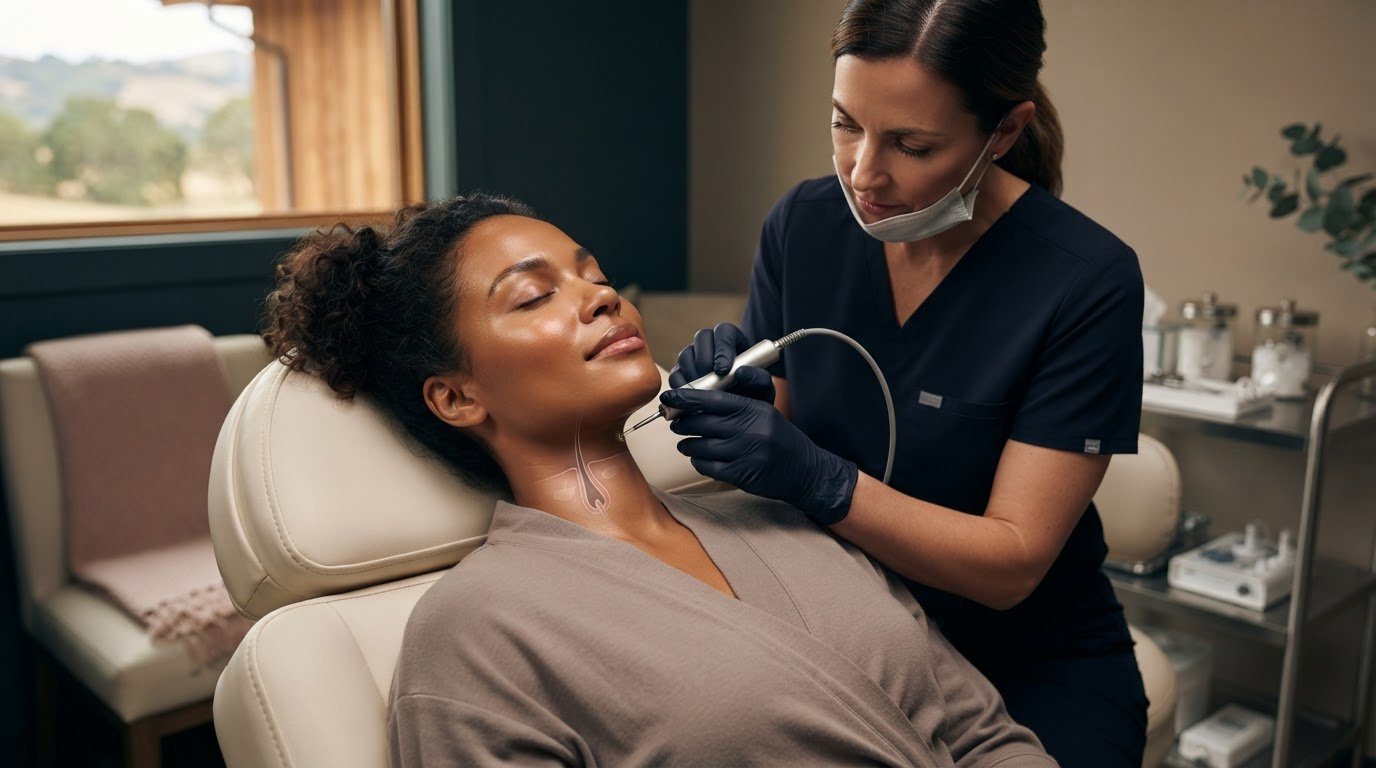
What if the best way to reduce recurring ingrown hairs is to address the hair follicle, not the irritated bump? If shaving or other hair removal leaves you with tender bumps, redness, or discomfort, it’s understandable to look for a longer-term approach. Electrolysis for ingrown hairs treats individual follicles over a series of appointments. It isn’t an instant fix for an active, inflamed spot.
A thoughtful plan starts by distinguishing a likely ingrown hair from irritation or symptoms that may need clinical attention. It also takes your skin’s sensitivity and the treatment area into account. In this article, you’ll learn how electrolysis works, why results take time, and what to consider before an appointment with North Bay Electrology. We’ll also explain how treating selected follicles may help reduce regrowth and why active bumps should settle or be assessed before treatment is considered.
Key Takeaways
- An ingrown hair grows into or beneath nearby skin. Repeated hair removal may be associated with recurring bumps for some people.
- Electrolysis for ingrown hairs treats individual follicles, so progress is gradual rather than a one-appointment fix.
- Electrolysis focuses on hair follicles, unlike temporary hair-removal methods that cut or remove visible hair.
- Before an appointment, note the affected areas and your hair-removal habits, avoid picking, and share relevant skin concerns.
- North Bay Electrology provides professional electrolysis by appointment for the face, neck, body, and sensitive areas.
Electrolysis for ingrown hairs: what it can help with
An ingrown hair grows back into or beneath the surrounding skin instead of emerging normally. It can create a raised, irritated bump, but not every bump after hair removal is an ingrown hair. For a clear overview of what an ingrown hair is, see Wikipedia’s summary of common causes and symptoms.
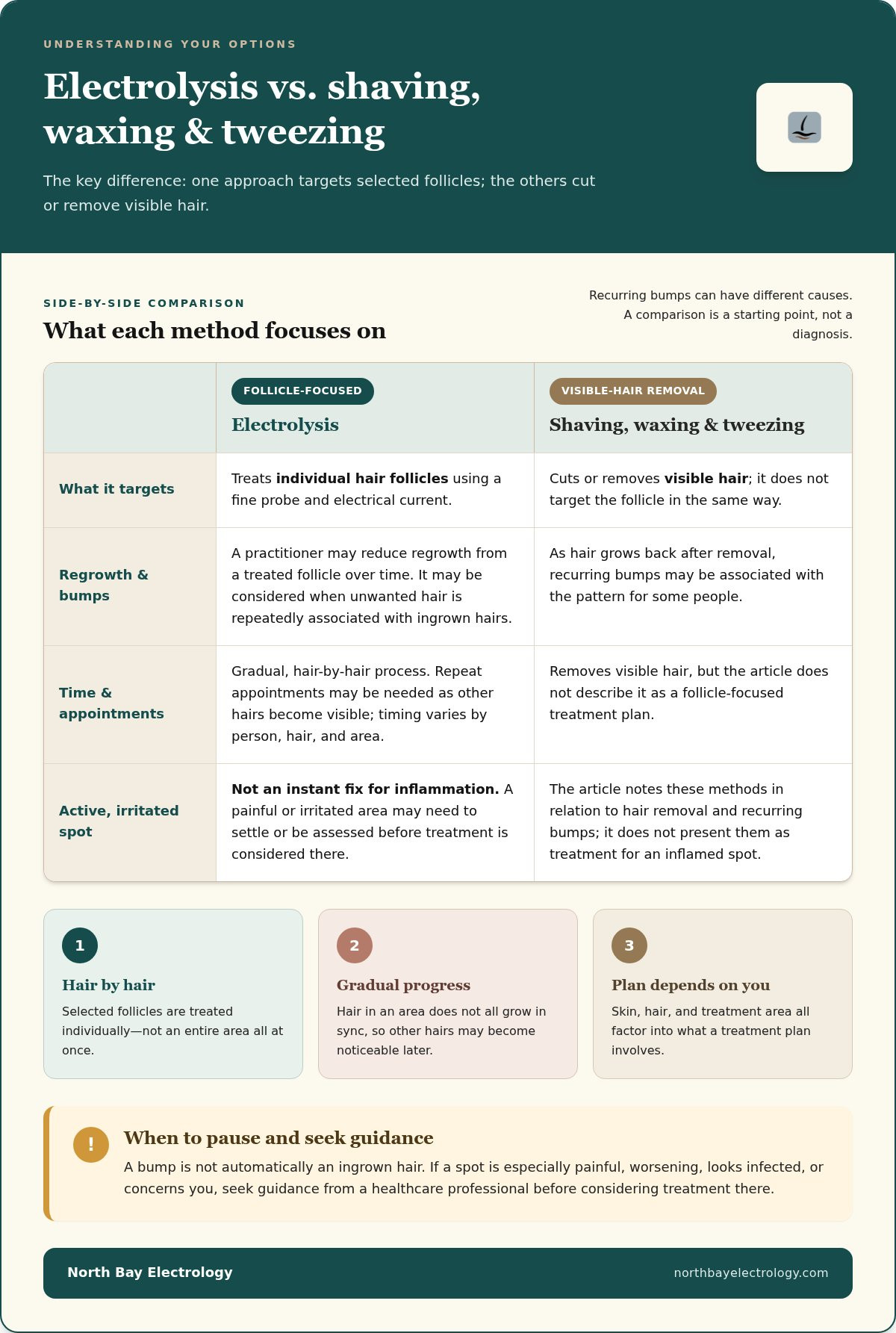
Recurring ingrown hairs describe a repeated pattern linked to hair regrowth; one inflamed spot is a single episode and may have a different cause. Shaving, waxing, and tweezing may be associated with recurring bumps for some people as hairs grow back. Hair texture, the direction a hair grows, the area involved, and individual hair-removal habits can all be factors.
Why do ingrown hairs keep coming back?
When a hair is cut or removed and then grows again, it may curve or become trapped beneath the skin. Repeated hair removal and regrowth can irritate the same area, and similar bumps may return. That pattern alone doesn’t confirm an ingrown hair or another skin condition. If a spot is especially painful, looks infected, or concerns you, seek guidance from a healthcare professional rather than assuming electrolysis is the right next step.
When might electrolysis be relevant?
Electrolysis treats individual hair follicles. By targeting a follicle, a practitioner may reduce regrowth from it over time. This can make electrolysis worth considering when unwanted hair is repeatedly associated with ingrown hairs. It isn’t an instant remedy for every active bump, and one appointment doesn’t remove all hair or guarantee that future bumps won’t occur. Progress is gradual as individual hairs are treated over time.
Suitability depends on factors such as your skin, hair, and treatment area. An appointment gives you time to discuss where bumps recur and whether a longer-term hair-removal goal makes sense. Electrolysis focuses on the hair follicle, not on diagnosing or treating an inflamed spot. If the area is currently painful or appears infected, prioritize medical guidance before arranging treatment there.
For some people, electrolysis for ingrown hairs may be part of a considered plan for recurring unwanted hair. The goal is to treat selected follicles over time, with an approach informed by your skin, hair, and treatment area, rather than to manage a single irritated bump.
How electrolysis targets hair associated with recurring ingrown hairs
Electrolysis treats individual hair follicles rather than an entire area all at once. For someone with recurring ingrown hairs, that distinction matters: the goal is to address selected follicles associated with unwanted regrowth, not to smooth or calm every irritated spot in one appointment.
Electrolysis targets the follicle that produces a hair; it doesn’t directly treat inflammation in an existing bump. An active, tender area may need time or clinical guidance before it’s considered for treatment. Electrolysis can’t promise immediate relief from an ingrown hair that’s already inflamed.
What happens to the hair follicle during electrolysis?
The electrologist works hair by hair, guiding a fine probe into the follicle and applying an electrical current. The aim is to treat the follicle so it produces less or no hair over time. Medical guidance on pseudofolliculitis barbae describes follicles as able to be permanently removed by electrolysis. Results depend on the individual treatment plan, so think of this as a gradual process, not a guaranteed change after one visit.
Because each hair is treated individually, an appointment addresses selected hairs, not every follicle across a larger area at once. The electrologist can discuss the treatment area and your concerns as part of planning care.
Why can a treatment plan take more than one appointment?
Hair in an area doesn’t all grow in sync. Some hairs may be visible and accessible during an appointment, while others become noticeable later. Repeat appointments may therefore be part of a plan to address regrowth as it appears. Timing and treatment needs vary with the person, hair, and area, so no single session count or completion timeline applies to everyone.
This gradual approach is important to understand if you’re exploring electrolysis for ingrown hairs. It’s a long-term hair-removal process, not a same-day solution for every bump or a guarantee that no new irritation will occur. If a spot is painful, worsening, or looks infected, seek appropriate clinical guidance before considering treatment there.
If you’re considering care for recurring unwanted hair, a dedicated electrolysis appointment gives you time to discuss the area and your goals with North Bay Electrology.
Electrolysis and ingrown hairs: expectations, limits, and common misconceptions
Electrolysis can be part of a longer-term hair-removal plan, but one appointment won’t remove every ingrown hair or ensure that no future bumps appear. It targets selected follicles over time, and your skin, hair, and treatment area all affect what a plan involves. The goal is to address unwanted hair, not to promise flawless skin or prevent every kind of irritation.
Other hair-removal methods may suit different preferences and needs. Shaving, waxing, and tweezing cut or remove visible hair, while electrolysis focuses on individual follicles. The methods have different purposes, and choosing among them is a personal decision.
Does electrolysis remove an ingrown hair right away?
No. Electrolysis is a follicle-focused hair-removal treatment, not an instant cure for inflammation around a trapped hair. Before proceeding, the electrologist can discuss the treatment area and whether it’s appropriate to work there. A painful or irritated spot may need to settle or be assessed clinically first. Avoid trying to dig out or squeeze a trapped hair, which can further irritate the skin.
Electrolysis targets hair-producing follicles; it doesn’t diagnose or directly treat inflammation in an existing bump. That distinction helps set realistic expectations. Immediate relief from an active sore spot and longer-term hair reduction are separate goals. Electrolysis may be considered for recurring unwanted hair, while a current painful or concerning bump may call for medical advice.
When should an ingrown hair be assessed by a healthcare professional?
Seek medical advice if pain is worsening, redness is spreading, the area feels warm, there’s drainage, or you develop a fever. These signs don’t establish a diagnosis on their own, but they’re reasons to have the area assessed. An electrologist can discuss hair-removal treatment but doesn’t diagnose skin infections or other medical conditions.
For electrolysis for ingrown hairs, keep expectations individual and gradual. Treatment sensations and skin responses can differ, and no one can guarantee pain-free sessions, flawless skin, or permanent prevention of every bump. Sharing your concerns and the history of the affected area supports a thoughtful conversation about whether and when treatment is appropriate.
How to prepare for electrolysis when ingrown hairs recur
A little preparation can make an appointment more useful and comfortable. You don’t need to arrive with a diagnosis. Instead, bring clear details about the pattern you’ve noticed and any concerns about your skin. Since electrolysis for ingrown hairs focuses on follicles, it helps the electrologist to understand both the treatment area and any active irritation you want to discuss.
What should you do before an appointment?
Before your visit, note where bumps tend to appear, how often they recur, and which hair-removal methods you’ve been using. Avoid picking at or squeezing the area. Share relevant skin concerns, including tenderness or recent irritation, so they can be considered before treatment proceeds.
Follow the practitioner’s specific preparation instructions rather than adopting a universal shaving or exfoliation schedule. Don’t apply harsh products beforehand unless your practitioner has directed you to do so. Arrive with the treatment area accessible while following any individualized guidance you’ve received.
- Describe the pattern: Note the affected areas, how often bumps return, and your hair-removal habits.
- Leave bumps alone: Avoid picking or squeezing before your appointment.
- Share skin concerns: Mention irritation, pain, or anything else that may affect the area.
- Follow tailored instructions: Don’t assume every treatment area needs the same preparation.
If the area is actively irritated or you suspect an infection, tell the electrologist before treatment begins. A painful spot or one with spreading redness, warmth, or drainage may need medical assessment. An electrologist can discuss hair-removal care but doesn’t diagnose infections or other medical conditions.
What should you watch for after treatment?
Aftercare needs can vary with the person and treatment area, so follow the instructions your practitioner gives you. Avoid adding harsh products or steps that weren’t recommended for your individual care. If you’re unsure how to care for the area, seek guidance from your practitioner instead of experimenting with a new routine.
Pay attention to changes after treatment. If pain or redness worsens, redness spreads, the area feels warm, drainage appears, or you develop a fever, seek medical advice. These signs don’t identify a cause by themselves, but they deserve clinical attention. Discuss mild concerns with your practitioner, who can help clarify what belongs in your aftercare plan.
Professional electrolysis for ingrown hairs in the North Bay
Recurring bumps can be frustrating, especially when they appear in an area where you regularly remove hair. A dedicated appointment gives you time to discuss the pattern, treatment area, hair-removal goals, and any skin concerns before deciding how to proceed. Electrolysis for ingrown hairs focuses on unwanted hair and its follicles over time. It doesn’t promise immediate relief from an active bump or prevent every future irritation.
What can you expect from an appointment-based approach?
North Bay Electrology specializes in electrolysis for permanent hair removal, with services for the face, neck, body, and sensitive areas. You can describe what you’ve noticed without arriving with a diagnosis. The discussion can cover where bumps recur, how the area responds to hair removal, and whether skin irritation needs attention before treatment begins. Services are by appointment, allowing dedicated time for your care.
Concerns about unwanted hair can feel personal. You can discuss your goals and the treatment area as part of an individual conversation, without assuming that everyone’s skin or hair responds in the same way. Your concerns help shape what you discuss and what you want from hair removal.
North Bay Electrology serves Sonoma County and nearby North Bay communities, including Rohnert Park, Petaluma, and Santa Rosa. For more local context, explore the Sonoma County electrolysis information.
How can you take the next step?
When you’re ready, you can schedule an appointment online. Before booking, note the area you’d like to discuss and any recurring irritation or sensitivity. If a bump is actively painful or looks infected, seek appropriate medical guidance before considering hair-removal treatment there. An appointment gives you time to discuss your goals and the area without assuming a one-size-fits-all plan or result.
Take a thoughtful next step toward fewer recurring bumps
Recurring ingrown hairs can be frustrating, but the right approach starts with understanding what’s happening. Electrolysis for ingrown hairs targets individual follicles over time. It may support a longer-term hair-removal goal, but it won’t instantly calm an active bump or guarantee that irritation never returns. A painful or concerning spot may need medical advice before hair-removal treatment.
North Bay Electrology specializes in professional electrolysis for permanent hair removal. An appointment offers dedicated time to discuss your goals, the areas that concern you, and any skin sensitivities. Your experience is individual, and the conversation can help you consider an appropriate next step.
You deserve thoughtful care and space to make decisions at your own pace. A considered plan can begin with a conversation about what you’ve been experiencing.
Frequently Asked Questions
Can electrolysis help prevent ingrown hairs from coming back?
Electrolysis may reduce regrowth from treated follicles over time, which can make it a consideration for recurring ingrown hairs. It treats individual follicles, so progress is gradual and results vary with the person, hair, and treatment area. It can’t guarantee that every bump will stop or that future irritation won’t happen. A practitioner can discuss your pattern of regrowth and whether electrolysis fits your hair-removal goals.
Does electrolysis remove an ingrown hair immediately?
No. Electrolysis targets a hair follicle as part of hair removal; it isn’t an instant treatment for inflammation around an active ingrown hair. If a spot is tender or irritated, the electrologist can discuss its condition before treatment proceeds. Avoid picking or squeezing it. If it’s worsening or concerning, seek medical advice rather than expecting electrolysis to resolve the bump.
Is electrolysis safe on skin with ingrown hairs?
Whether treatment is appropriate depends on your skin and the condition of the area. Tell your electrologist about recurring bumps, tenderness, or active irritation so they can discuss the treatment area with you. A painful or infected-looking spot may need assessment by a healthcare professional before hair removal is considered there. An electrologist doesn’t diagnose skin infections or other medical conditions.
How many electrolysis sessions are needed for ingrown hairs?
There isn’t one session count that applies to everyone. Electrolysis treats individual follicles, and hair growth isn’t synchronized, so additional appointments may be part of a plan as other hairs become accessible. The treatment area, hair, and individual needs all matter. A practitioner can discuss your goals and the area with you, but don’t assume a precise number of sessions or completion date in advance.
What should I do if an ingrown hair looks infected?
Seek medical advice if the area has worsening pain, spreading redness, warmth, drainage, or you develop a fever. These signs don’t confirm an infection, but they’re reasons to have the skin assessed by a healthcare professional. Avoid picking or squeezing the spot, and tell your electrologist about it before any planned treatment. Mild, temporary irritation doesn’t always signal a serious problem, but worsening changes deserve attention.
Can shaving or waxing cause ingrown hairs after electrolysis?
Shaving or waxing may still be associated with ingrown hairs in areas where hair grows back, and electrolysis doesn’t guarantee that every future bump will be prevented. Follow your practitioner’s individualized guidance about hair removal during treatment, since recommendations can depend on the area and your plan. If bumps recur, note when they appear and which method you used, then share those details at your appointment.
Where can I book electrolysis for ingrown hairs in the North Bay?
You can book electrolysis for ingrown hairs with North Bay Electrology through its online appointment page. The practice serves communities across the North Bay, including Petaluma, Novato, Cotati, Rohnert Park, Santa Rosa, Sonoma, Napa, Vallejo, San Rafael, Sebastapol, American Canyon, Terra Linda, Corte Madera, Windsor, and Healdsburg. Appointments provide dedicated time to discuss your treatment goals and concerns. Schedule an electrolysis appointment.
Article by
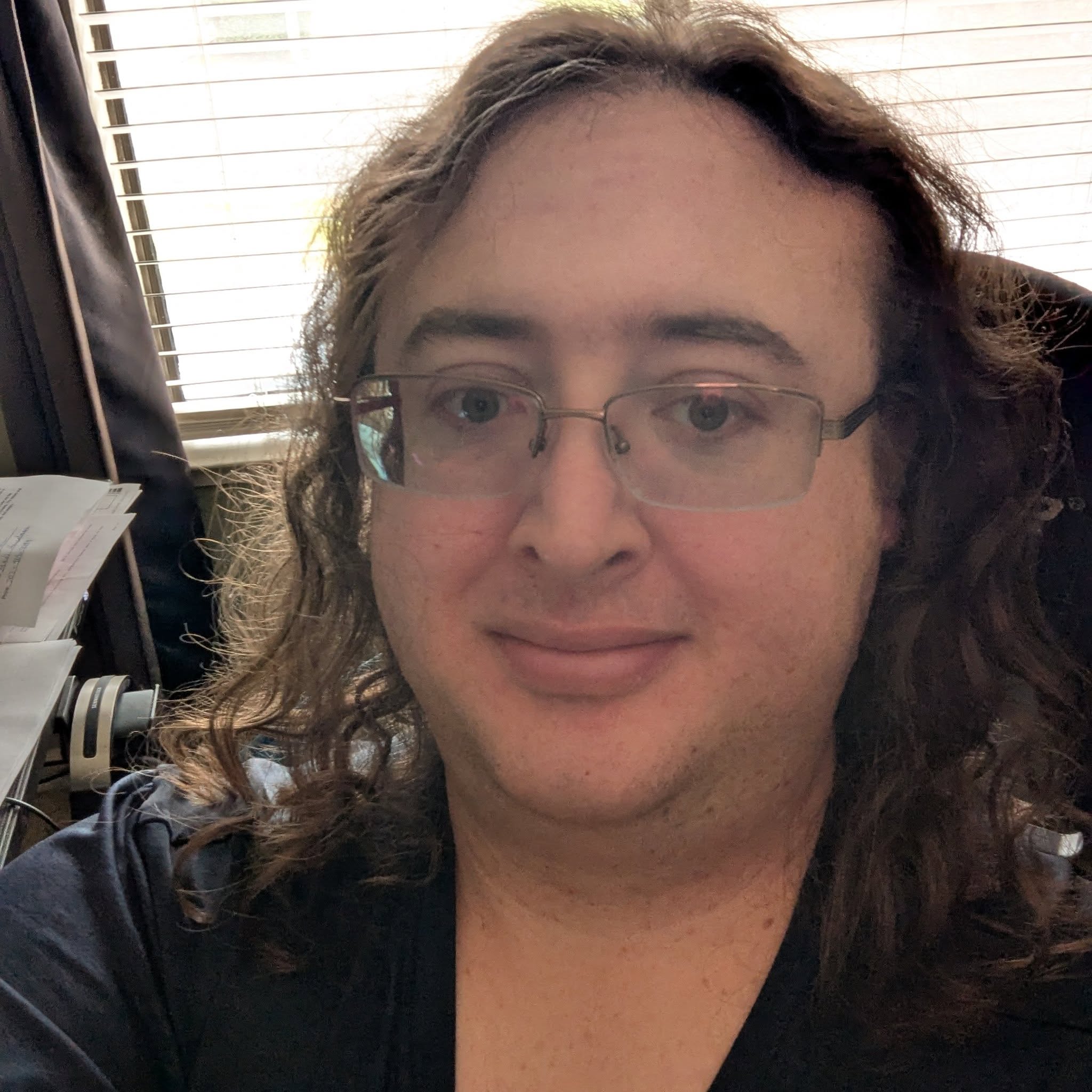
Madison Hanselman
As a trans woman and owner of North Bay Electrology in Petaluma, I bring a deep personal empathy and love for technical systems to my practice. My own transition fuels my passion for permanent hair removal, making my clinic a proud partner and safe haven for the LGBTQ+ community. Balancing rigorous analytics with heartfelt care, I approach electrology as both a precise science and a life-changing path to self-actualization.