
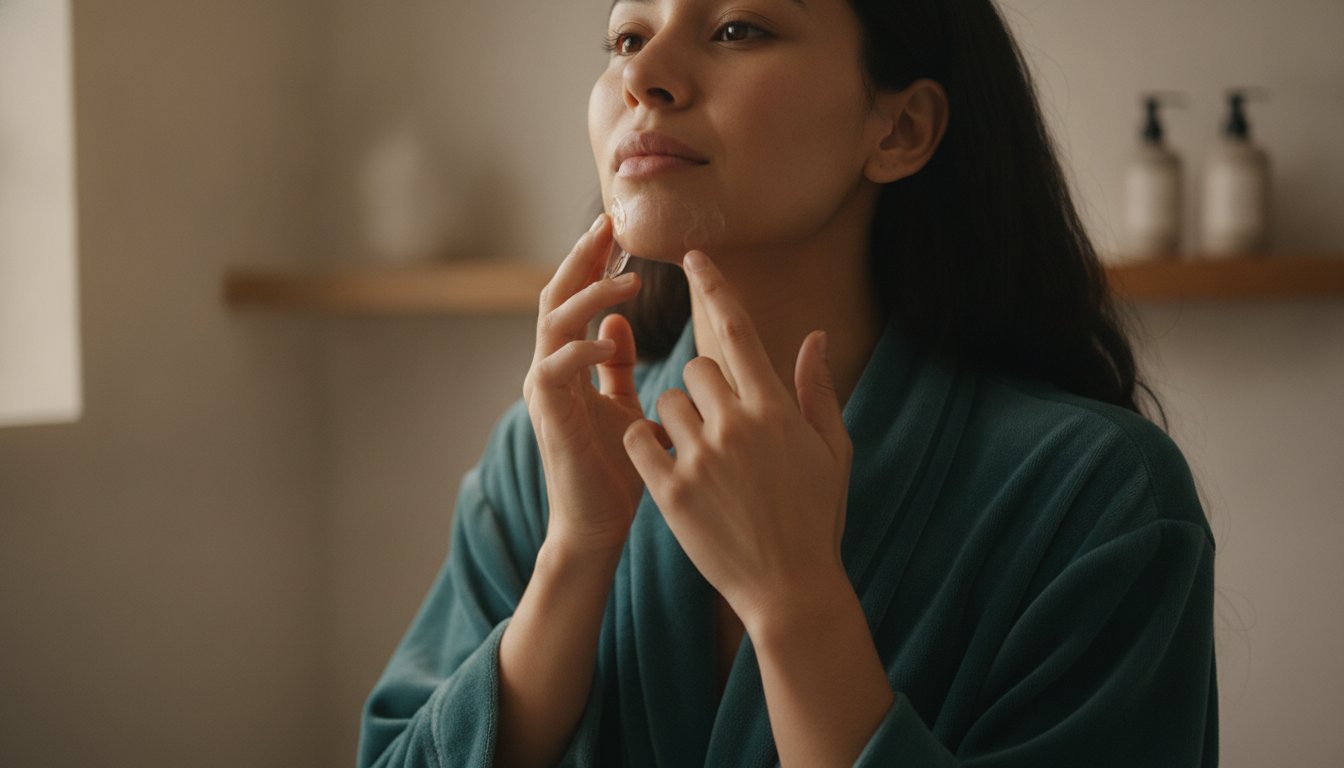
The most critical 48 hours of your hair removal journey don’t happen under the probe, but in the quiet moments of your own home. It’s entirely normal to feel a flicker of worry when you notice post-treatment redness or slight swelling, especially when you’re dreaming of a clear, smooth complexion. You deserve a recovery process that feels as professional and supportive as the treatment itself. By following specific electrolysis aftercare tips, you can protect your skin’s integrity and accelerate the healing process without any of the guesswork.
We believe that informed care is the foundation of clinical success and your personal peace of mind. This comprehensive 2026 checklist will help you navigate the delicate window following your appointment, from choosing the right soothing antiseptics to understanding exactly what your skin needs as it repairs. We’ll outline how to minimize discomfort, prevent complications, and identify the healthy milestones of a successful recovery so you can move forward with confidence.
Key Takeaways
- Understand the clinical purpose of aftercare as a vital step in transitioning the follicle from treatment to permanent closure.
- Master essential electrolysis aftercare tips for the first 48 hours, including gentle cleansing protocols and the “hands-off” rule to prevent infection.
- Learn to distinguish between typical healing responses and abnormal reactions, empowering you to monitor your skin with confidence.
- Discover specialized recovery steps for pre-surgical hair clearance and sensitive body areas to ensure safety and comfort.
- Prepare for long-term success by maintaining skin hydration between appointments to improve conductivity and treatment efficacy.
Understanding Skin Recovery: Why Electrolysis Aftercare is Essential
Aftercare is much more than a simple post-treatment routine; it’s a clinical partnership between you and your electrologist. We define aftercare as the essential process of protecting the follicle while it transitions from active treatment to permanent closure. During your session, a precise amount of energy is used to create a controlled micro-injury within the hair follicle. This process is the core of Electrology, and your body’s natural response to this current is the first step toward your permanent results. By following professional electrolysis aftercare tips, you ensure that this healing phase leads to smooth, healthy skin rather than unnecessary complications.
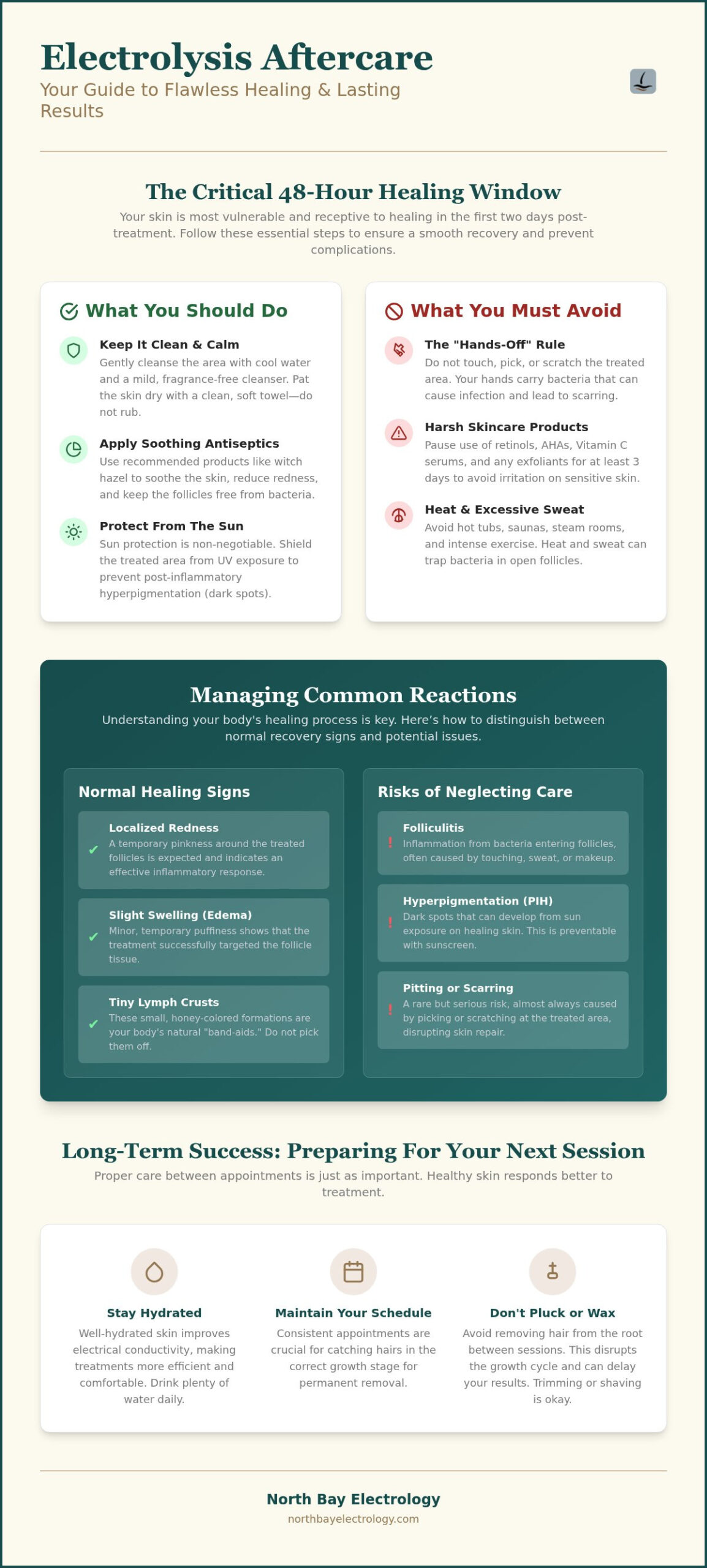
The first 48 hours represent the “critical window” for your recovery. During this time, the treated follicles are open and vulnerable to environmental pollutants, sweat, and bacteria. In our North Bay community, where many of us enjoy outdoor activities and the California sun, being mindful of this window is vital. Proper care prevents the introduction of pathogens that could cause infection and significantly reduces the risk of long-term hyperpigmentation. Consistent application of electrolysis aftercare tips helps keep your skin resilient and ensures your treatment plan stays on schedule.
The Biological Healing Process
Your body’s natural inflammatory response is a sign that the treatment was effective. When you see localized redness or slight swelling, your skin is sending white blood cells to repair the tissue. You may notice a tiny “lymph crust” forming over the follicle. This isn’t a blemish to be removed; it’s a protective shield your body creates to keep the healing site sterile and safe. Follicular edema is a normal, temporary reaction to electrolysis where the skin around the treated follicle appears slightly raised or swollen. These biological signals show that the energy reached the target tissue successfully.
Risks of Neglecting Post-Session Care
Neglecting your recovery can lead to setbacks that extend your overall treatment timeline. Picking or scratching at the treated area is the most common cause of “pitting” or permanent scarring, as it disrupts the delicate repair of the dermal layers. Our hands naturally carry bacteria, and introducing these to open follicles can lead to folliculitis, an uncomfortable inflammation of the hair follicles. Additionally, the California sun poses a specific risk for those undergoing facial treatments. UV exposure on healing skin can trigger post-inflammatory hyperpigmentation (PIH), resulting in dark spots that can take months to fade. This level of sun awareness is also vital for anyone planning a move to sun-soaked regions like the Costa Blanca; for example, clients of Spaindinavia must be equally prepared to manage their skin health in high-UV coastal environments. Protecting your skin from these risks is just as important as the treatment itself.
Your journey toward permanent hair removal is a steady process that requires patience and precision. Maintaining a dedicated home care routine ensures that every appointment at North Bay Electrology is as effective as possible. When your skin heals cleanly and quickly, we can maintain a consistent schedule, bringing you closer to your smooth-skin goals with every visit.
The Essential 48-Hour Electrolysis Aftercare Checklist
Adhering to a structured recovery plan is the best way to honor the investment you’ve made in your skin. These electrolysis aftercare tips focus on the first 48 hours, which is when your skin is most receptive to healing but also most susceptible to irritation. During this window, your primary goal is to maintain a sterile, calm environment for your follicles to transition. By following a methodical checklist, you can move through the recovery phase with total confidence.
The “Hands-Off” Rule is your first line of defense. It’s natural to want to feel the smoothness of your skin, but your hands carry bacteria that can easily migrate into open follicles. Avoiding physical contact prevents bacterial transfer and reduces the risk of minor infections. When cleansing, use only cool water and a gentle, fragrance-free cleanser. Avoid any scrubbing or mechanical exfoliation, as this can disrupt the delicate healing process. Pat the area dry with a clean, soft towel rather than rubbing it.
We recommend pausing any aggressive skincare products. Retinols, alpha-hydroxy acids (AHAs), and vitamin C serums should be set aside for at least three days. Additionally, avoid environmental triggers like steam rooms, hot yoga, or heavy exercise that causes excessive perspiration. Heat and sweat can trap bacteria and prolong redness. Residents of the North Bay, including Petaluma, Sonoma, and Napa, must be especially vigilant about sun exposure. Our region often sees high UV indices, and freshly treated skin lacks its usual defenses against sun damage. Immediate sun protection is non-negotiable to prevent dark spots. If you’re unsure about which products are safest for your specific skin type, you can always reach out for personalized guidance during your next visit.
Immediate Actions (0-24 Hours)
Step 1: Focus on keeping the treated area clean and dry. Avoid heavy moisturizers, thick oils, or occlusive balms that might clog the follicles. Step 2: If you feel residual heat, apply a cold compress or a high-purity, alcohol-free aloe vera gel. This helps soothe the area and reduces follicular edema. Step 3: Skip all makeup on treated facial areas. Pores need to remain clear to breathe and heal without the interference of pigments or waxes.
Secondary Care (24-48 Hours)
Step 4: Continue with gentle cleansing. You may resume lukewarm showers, but avoid saunas or very hot water that could re-introduce heat into the skin. Step 5: Monitor the area for normal healing signs. Tiny, pin-sized scabs or “honey crusting” are healthy indicators that your skin is repairing itself from within. Step 6: Use a broad-spectrum mineral SPF if you must be outdoors. Physical blockers like zinc oxide are often gentler on sensitive, post-electrolysis skin than chemical filters.
Managing Common Reactions: What is Normal vs. Abnormal?
Every skin journey is unique, and your body’s response to treatment is a personal dialogue between your biology and the clinical process. We want you to feel empowered to listen to that dialogue with confidence rather than concern. While we’ve discussed the biological milestones of healing, it’s helpful to understand that the intensity of these reactions can vary based on your specific skin type. Your skin’s heritage, often categorized by the Fitzpatrick scale, influences how it communicates during recovery. Clients with lighter skin tones (Types I and II) often see more pronounced, immediate redness. Those with deeper skin tones (Types IV through VI) might experience temporary pigment darkening as the skin’s natural melanin reacts to the thermal energy. Both are valid, manageable responses when you apply the right electrolysis aftercare tips.
We view ourselves as your protective guide throughout this transformation. Skin sensitivity isn’t a setback; it’s a reflection of your body’s active repair system. By learning to distinguish between healthy recovery signals and signs that require a second look, you maintain control over your results. If you ever feel uncertain, a quick check-in with your specialist at North Bay Electrology can provide the reassurance you need to stay on track.
The ‘Normal’ Healing Spectrum
Erythema, the clinical term for redness, is the most common post-session occurrence. This usually fades within a few hours to two days, depending on the sensitivity of the treated area. You might also notice small white bumps or “wheals” that resemble mosquito bites immediately after your session. These are a localized histamine response and typically subside quickly on their own. Minor scabbing is a natural part of the healing matrix. These tiny points of protection should be left entirely alone to fall off naturally, ensuring the skin underneath remains smooth and undisturbed.
Signs that Require Professional Attention
While most reactions are temporary, certain signals suggest your skin needs additional support. Persistent, spreading redness or significant heat that remains after 72 hours is an indication that the inflammatory phase isn’t transitioning as expected. You should also watch for pustules or signs of infection that don’t resolve with basic hygiene and the electrolysis aftercare tips provided in your checklist. Extreme discomfort that interferes with your daily activities or sleep is never something you should “tough out.” In these rare instances, reaching out for professional advice ensures your skin remains safe and your permanent hair removal journey continues without permanent damage.
Specialized Aftercare: Pre-Surgical and Sensitive Areas
While facial treatments are common, specialized procedures require an elevated level of clinical vigilance. This is particularly vital for those undergoing gender-affirming transformations, where the skin’s health directly impacts surgical success. Your surgical team relies on a clear, sterile donor site, making your home care routine a foundational part of your medical journey. When you apply specialized electrolysis aftercare tips, you aren’t just soothing your skin; you’re actively advocating for your long-term health and surgical outcome.
Pre-Surgical Electrolysis Care
Maintaining a sterile environment is non-negotiable during pre-surgical electrolysis clearance. We mandate the use of loose-fitting cotton clothing immediately following your session to allow the area to breathe and prevent abrasive contact with healing follicles. For many clients, gentle Epsom salt soaks or antimicrobial hypochlorous acid rinses are recommended to support the skin’s natural recovery matrix. It’s essential to coordinate your treatment frequency with your surgical timeline. We work alongside your medical team to ensure your skin is resilient and fully cleared well before your procedure date. This methodical approach reduces the risk of post-operative complications and ensures the best possible tissue health for your surgeon.
Sensitive Area and Body Care
Sensitive zones like the bikini line, chest, or underarms present unique challenges due to natural moisture and friction. These areas are prone to irritation if the skin rubs against itself or synthetic fabrics during the first 48 hours. Managing moisture is the most effective way to prevent folliculitis in these high-friction zones. For residents in the Rohnert Park area who are treating persistent ingrown hairs, these sessions provide a permanent path to relief, provided the post-treatment skin is kept calm and dry. Following a Bikini Line Electrolysis: Permanent Smooth Skin Guide can help you navigate the nuances of body care. By prioritizing hygiene and choosing breathable fabrics, you protect your skin’s integrity and ensure smooth, lasting results.
Long-Term Success: Preparing for Your Next Session
Your journey toward permanent hair removal is a rhythmic cycle where each session builds upon the last. While the initial 48 hours require strict protection, the weeks between your appointments are equally vital for your ultimate success. We call this the “Electrolysis Loop.” It’s a continuous process where your diligent home care ensures your skin is resilient, healthy, and ready for the next precise application of energy. When you prioritize these long-term electrolysis aftercare tips, you aren’t just healing; you’re actively optimizing the efficacy of your next treatment.
Hydration is your secret weapon for both comfort and results. Well-hydrated skin has better conductivity, which allows the electrical current to travel more efficiently to the base of the follicle. This efficiency often translates to a more comfortable experience and more effective hair destruction. Internal hydration is just as important as external moisture. Drinking plenty of water in the days leading up to your visit makes the follicle more receptive to the probe, ensuring we can work with maximum precision. If you’re wondering about electrolysis pain and what to expect during treatment, learning about the sensations in advance can help you feel more prepared and comfortable. As you plan your ongoing sessions, understanding the electrolysis cost per session and how it changes as you progress toward your goals can help you budget your treatment with confidence.
Maintaining Skin Integrity Between Visits
Once you move past the critical 48-hour healing window, your focus should shift toward maintaining skin integrity. Daily moisturizing becomes essential to keep the skin supple and prevent the buildup of dry, dead cells that can trap emerging hairs. We recommend resuming a gentle exfoliation schedule about five days after your session. Regular, light exfoliation helps prevent ingrown hairs and keeps the surface clear for your next clearance. Understanding how to prepare for electrolysis properly ensures that your skin is always in its best possible condition when you walk through our doors.
Partnering with North Bay Electrology
Our appointment-only model in Petaluma is designed to give you the dedicated time and space you deserve. This focused environment allows us to discuss your specific healing progress and adjust your treatment plan based on how your skin responds. We’re deeply committed to providing clinical excellence and affirming care for every individual, including those seeking gender-affirming treatments or pre-surgical clearance. You are making a significant investment in your long-term confidence and self-affirmation. We view it as our privilege to act as your protective guide through every step of this transformation. By combining our clinical expertise with your commitment to these electrolysis aftercare tips, we can achieve the smooth, permanent results you’ve been dreaming of.
Your Path to Permanent Skin Transformation
Mastering the critical 48-hour recovery window and recognizing your skin’s unique healing signals are the final steps in securing your permanent results. By consistently applying these electrolysis aftercare tips, you transition from the clinical environment to home care with total confidence. This partnership between our precision and your discipline ensures that your skin remains resilient, healthy, and ready for your next milestone.
We take pride in offering a professional, affirming, and appointment-only space specifically designed for face, neck, and pre-surgical hair removal. Our commitment to FDA-approved permanent results is matched only by our dedication to your psychological safety and comfort. You’re not just removing hair; you’re investing in a future of self-affirmation and lasting smooth skin. Every session brings you closer to the clarity you deserve.
Your journey toward permanent clarity is a steady, rewarding process, and we’re honored to act as your protective guide. We look forward to supporting you through every stage of your transformation with the specialized care your skin requires.
Frequently Asked Questions
Can I exercise immediately after my electrolysis session?
It’s best to avoid vigorous exercise for 24 to 48 hours after your session. Physical activity increases blood flow and body temperature, which can intensify post-treatment swelling and redness. Additionally, sweat acts as a carrier for bacteria, potentially leading to breakouts or inflammation in the open follicles. Allowing your body a short period of rest ensures the skin can begin its recovery without unnecessary environmental stress.
When can I safely apply makeup after facial electrolysis?
You should wait at least 24 hours before applying any cosmetics to the treated area. Your follicles remain open and vulnerable immediately after treatment, and the pigments or oils in makeup can easily clog these sites. When you do resume your routine, ensure your brushes and sponges are freshly sanitized to prevent the introduction of bacteria. This simple precaution is one of the most effective electrolysis aftercare tips for maintaining a clear complexion.
Is it normal to see small scabs or crusting after my treatment?
Yes, tiny, pin-sized scabs or “honey crusting” are a normal and healthy part of the biological healing process. These small spots act as a protective barrier while the tissue underneath repairs itself. It is vital that you don’t pick, scratch, or scrub these areas, as doing so can lead to permanent scarring or pitting. They will naturally fall off within a few days once the skin has fully transitioned.
What products should I avoid using on my skin during recovery?
Pause the use of active ingredients such as retinols, alpha-hydroxy acids (AHAs), and vitamin C for at least three days. You should also avoid any products containing heavy perfumes, dyes, or high concentrations of alcohol, as these can sting and irritate sensitive skin. Stick to gentle, fragrance-free cleansers and high-purity aloe vera during the initial recovery window to provide the most supportive environment for your follicles.
How can I reduce redness and swelling more quickly?
Applying a cold compress for 10 to 15 minutes at a time is the most effective way to reduce immediate heat and swelling. You can also use a high-purity, alcohol-free aloe vera gel or a hypochlorous acid spray to soothe the area and support the skin’s barrier. Keeping the area elevated and avoiding hot showers will further help the redness subside more quickly. These steps are foundational electrolysis aftercare tips for a comfortable recovery.
What should I do if I think my treated area is becoming infected?
If you notice spreading redness, persistent heat, or the presence of pus after 72 hours, please reach out to us immediately. While minor reactions are common, these specific symptoms suggest your skin may need additional clinical support. Keep the area clean with a gentle antiseptic and avoid touching it with your hands. We are here to guide you through any concerns to ensure your permanent hair removal journey remains safe.
Can I go swimming in a pool or the ocean after my session?
Avoid swimming in pools, hot tubs, or the ocean for at least 48 hours following your treatment. Chlorine and salt can be highly irritating to freshly treated skin, while natural bodies of water may harbor bacteria that could lead to infection in the open follicles. Once the initial healing window has closed and any minor scabbing has resolved, you can safely return to your aquatic activities.
Does sun exposure affect the healing of my electrolysis treatment?
Sun exposure significantly impacts the healing process and can lead to post-inflammatory hyperpigmentation (PIH). Freshly treated skin lacks its usual defenses against UV rays, which can cause the skin to produce excess melanin, resulting in dark spots. We recommend staying in the shade and wearing a wide-brimmed hat. If you must be outdoors, apply a broad-spectrum mineral sunscreen containing zinc oxide to provide a physical barrier against damage.

Article by
Madison Hanselman
As a trans woman and owner of North Bay Electrology in Petaluma, I bring a deep personal empathy and love for technical systems to my practice. My own transition fuels my passion for permanent hair removal, making my clinic a proud partner and safe haven for the LGBTQ+ community. Balancing rigorous analytics with heartfelt care, I approach electrology as both a precise science and a life-changing path to self-actualization.