
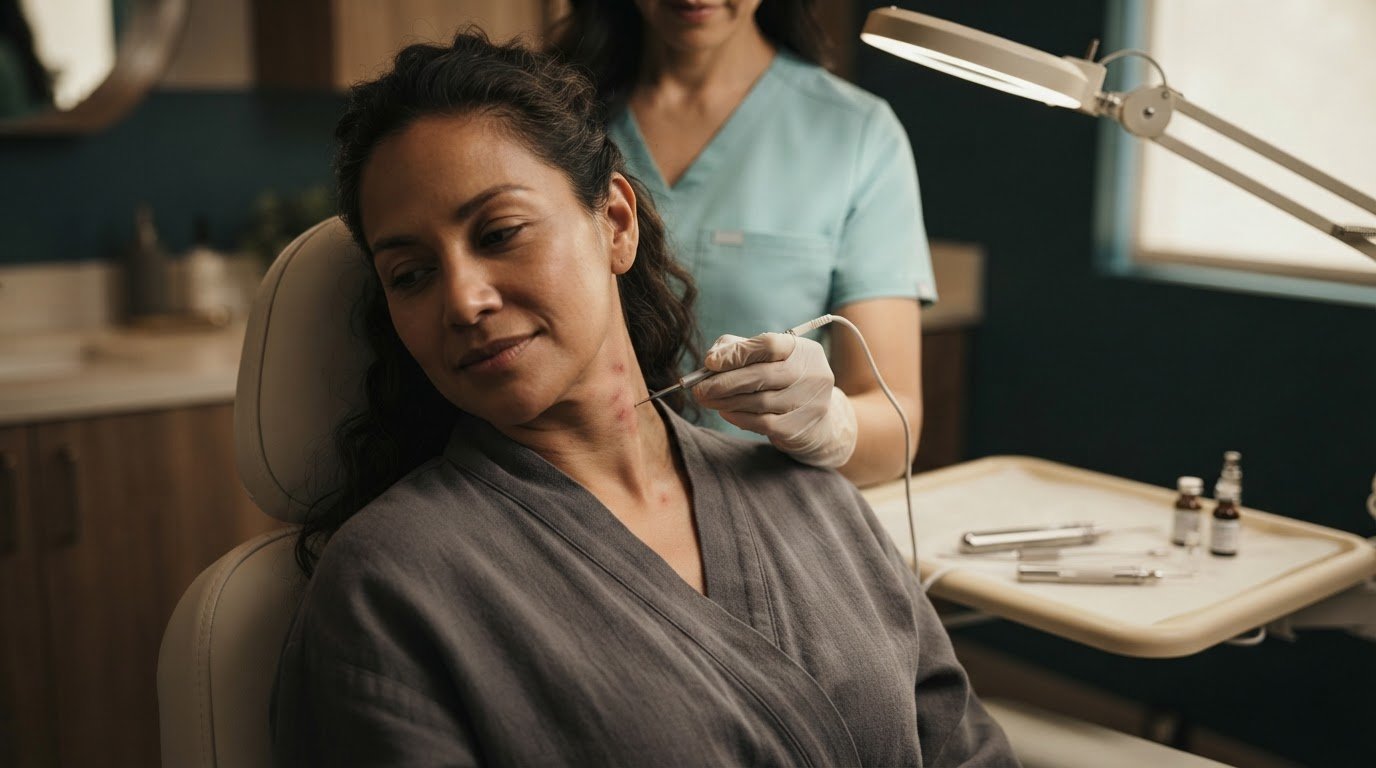
What if recurring neck irritation could be reduced by changing how often you shave? Redness, bumps, and soreness can make each shave feel like a setback, especially when it’s hard to tell whether you’re dealing with shaving irritation, ingrown hairs, or another skin concern. If you’re looking for a permanent solution for razor burn on neck, the right next step depends on what’s causing the irritation.
This guide explains how razor burn differs from razor bumps, which symptoms may need medical assessment, and what you can do for short-term relief while considering longer-term options. You’ll compare hair-removal approaches and learn how electrolysis may reduce repeated shaving and ingrown-hair flare-ups for some people. Electrolysis doesn’t treat every skin condition or guarantee that irritation will disappear. But professional face and neck electrolysis may be worth exploring if reducing unwanted hair is part of your goal. The aim is to help you make an informed choice, without pressure.
Key Takeaways
- Consider whether shaving friction, ingrown hairs, or another skin concern may be involved, and seek medical advice if symptoms persist or worry you.
- Let irritated skin settle and adjust shaving habits to reduce friction, while remembering these steps don’t remove hair permanently.
- Compare shaving, waxing, laser hair removal, and electrolysis by maintenance needs, permanence, and suitability for your skin and goals.
- A permanent solution for razor burn on neck depends on addressing the cause. Electrolysis may reduce repeated shaving, but it isn’t a cure for every skin condition.
- Before choosing a treatment, note your symptoms and goals, then discuss the treatment area and skin history with a professional. North Bay Electrology provides face and neck electrolysis by appointment.
A Permanent Solution for Razor Burn on the Neck Starts With the Cause
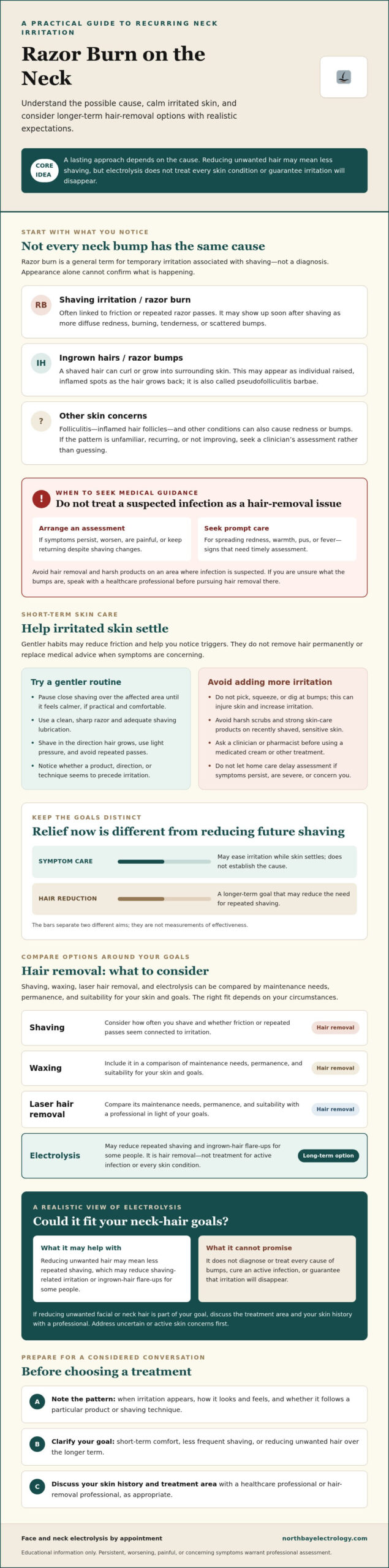
Repeated neck irritation can make an ordinary shave something you brace yourself for. Redness, stinging, tenderness, or small bumps afterward are frustrating, but they don’t all point to the same cause. Razor burn is a general term for temporary irritation associated with shaving, often related to friction or repeated passes. It isn’t a diagnosis, and it doesn’t explain every bump on the neck.
That distinction matters if you’re considering a permanent solution for razor burn on neck. Reducing unwanted hair may lessen the need to shave, but first consider whether shaving is causing the irritation or aggravating another skin concern.
How razor burn and ingrown hairs can look different
Shaving irritation may appear soon after shaving as diffuse redness, a burning or tender feeling, or scattered bumps. Ingrown hairs may look more like individual raised, inflamed spots that appear as hair grows back. A shaved hair can curl or grow into the surrounding skin, causing irritation. This type of razor bump is also called Pseudofolliculitis barbae.
Appearance alone can’t confirm the cause. Folliculitis, which involves inflamed hair follicles, and other skin concerns may also cause bumps or redness. If the pattern is unfamiliar, keeps returning, or doesn’t improve, a clinician can assess what’s happening instead of relying on guesswork.
When neck irritation needs a clinician’s attention
Seek medical guidance if symptoms persist, worsen, are painful, or recur despite changes to your shaving routine. Arrange prompt care for spreading redness, warmth, pus, or fever, since these can be signs that need timely assessment. Don’t try to treat a suspected infection by removing hair or applying harsh products.
Electrolysis is a hair-removal option, not a treatment for an active infection or an undiagnosed skin condition. If you’re unsure what the bumps are, speak with a healthcare professional before pursuing hair removal in the affected area. Once the skin concern has been assessed, you can consider whether reducing shaving fits your goals.
What Can Calm Shaving Irritation While You Consider Longer-Term Options?
While irritated skin settles, small changes to your shaving routine may reduce friction and help you identify triggers. If practical and comfortable, pause close shaving over the affected area until it feels calmer. This is a temporary measure, not a cure, and it shouldn’t delay medical advice if symptoms persist or worsen.
Symptom care may ease irritation now; long-term hair reduction aims to reduce the need for repeated shaving. Keeping those goals separate can help you choose a safe next step without expecting home care to resolve the underlying cause.
Gentler shaving habits that may reduce repeat irritation
When you shave, use a clean, sharp razor, adequate shaving lubrication, and strokes in the direction your hair grows. Apply light pressure and avoid repeated passes over the same patch. A closer shave isn’t worth extra discomfort.
Notice whether irritation follows a particular product, shaving direction, or technique. A brief note about when symptoms appear may help you identify personal triggers or describe the pattern to a healthcare professional. If even gentle shaving aggravates active irritation, give the area a break when you can.
What to avoid when the neck is already irritated
Resist picking, squeezing, or digging at bumps. These actions can injure the skin and may increase irritation. Harsh scrubs and strong skin-care products can also irritate recently shaved, sensitive skin, so keep your routine gentle while the area settles.
Before using a medicated cream or other treatment, ask a clinician or pharmacist whether it’s appropriate for your symptoms and skin. Folliculitis can have different causes and care needs. The Mayo Clinic’s guidance on calming inflammation discusses care for folliculitis, not a diagnosis for every shaving-related bump. Home measures shouldn’t replace professional assessment when symptoms are persistent, severe, or concerning.
If frequent shaving is a source of repeated irritation, consider whether reducing unwanted neck hair fits your longer-term goals. North Bay Electrology provides face and neck electrolysis by appointment. Reviewing face and neck electrolysis information may help you decide whether it’s an option to discuss with a professional. Electrolysis is a hair-removal service, not treatment for active irritation or an undiagnosed skin condition.
Shaving, Waxing, Laser, or Electrolysis: Which Option Fits Recurring Neck Razor Burn?
The right option depends on whether you want to change your shaving routine, remove hair temporarily, or pursue longer-term hair removal. No method can promise irritation-free skin, especially if the bumps have a cause beyond shaving. Compare maintenance, permanence, and limitations before choosing.
| Option | Maintenance and permanence | Considerations |
|---|---|---|
| Shaving adjustments | Hair removal remains temporary, so shaving is repeated as hair grows. | Using less pressure and fewer passes may reduce friction, but shaving habits don’t remove hair permanently. |
| Waxing | Removes hair temporarily from the root; repeat treatments are needed as hair regrows. | May irritate sensitive skin, and regrowing hairs can still become ingrown. |
| Laser hair removal | Can provide permanent hair reduction, rather than permanent removal. | Suitability depends on individual hair and skin characteristics. It may not eliminate every hair or every source of irritation. |
| Electrolysis | Targets individual follicles and is recognized for permanent hair removal. | Professional treatment focuses on hair follicles. It doesn’t diagnose or treat unrelated skin conditions. |
Temporary hair removal versus reducing repeated shaving
Adjusting how you shave may help if friction or repeated passes contribute to irritation, but it leaves the hair in place. Waxing removes hair for longer than shaving for some people, but it’s still temporary and can irritate the skin. Laser treatment is different: it targets pigment in hair follicles to achieve permanent reduction, not guaranteed removal of every hair.
Each option has trade-offs. A method that reduces how often you shave may help when shaving is a trigger, but it can’t guarantee that bumps or redness won’t return. Skin conditions, product reactions, and other factors may still play a role.
What electrolysis can, and cannot, address
Electrolysis treats individual hair follicles and may reduce the need to shave treated hairs. If repeated shaving contributes to your neck irritation, reducing that routine could lessen one potential trigger. Suitability depends on the person and treatment goals, so a professional assessment can help clarify what to expect.
If you’re looking for a permanent solution for razor burn on neck, keep the distinction clear: electrolysis is permanent hair removal, not a universal razor-burn cure. It doesn’t diagnose or treat infection, dermatitis, folliculitis, or other skin conditions. Have persistent or concerning symptoms assessed by a clinician before pursuing hair removal in the affected area.
Is Electrolysis a Suitable Long-Term Option for Neck Hair?
Electrolysis may be worth considering if you want to reduce unwanted neck hair and the repeated shaving that can trigger irritation. It isn’t a universal razor-burn cure. If shaving isn’t the cause, or another skin condition is involved, hair removal may not resolve the symptoms. A clinician can assess ongoing or unexplained irritation; an electrolysis provider can discuss whether treatment aligns with your hair-removal goals.
Planning is individual. The treatment area, your skin history, current irritation, and desired outcome all matter. Rather than relying on a fixed session count or timeline, ask how a provider would approach your specific neck area and what factors could affect the plan. A professional assessment can help you make an informed choice without assuming electrolysis is suitable for everyone.
Questions to discuss before treating the neck
Share any skin sensitivities, current irritation, relevant skin history, and previous hair-removal experiences. If you have active, persistent, or unexplained symptoms, ask whether a clinician should assess them before treatment. You can also ask the provider to explain the technique, hygiene practices, comfort considerations, and aftercare so you know what to expect and can decide at your own pace.
Choosing an electrolysis provider in the North Bay
Look for a provider who offers face and neck electrolysis, and ask how they assess the treatment area and tailor their approach. You can also ask about hygiene practices and how they respond if your skin is irritated on the day of an appointment. Clear answers can help you feel prepared and decide whether the provider’s process suits your needs.
North Bay Electrology provides professional face and neck electrolysis by appointment. The clinic serves the North Bay, including Petaluma, Novato, Cotati, Rohnert Park, Santa Rosa, Sonoma, Napa, Vallejo, San Rafael, Sebastapol, American Canyon, Terra Linda, Corte Madera, Windsor, and Healdsburg. If you’re exploring a permanent solution for razor burn on neck, keep the goal precise: electrolysis is intended to remove hair, and reducing shaving may help when shaving is a trigger. It doesn’t diagnose or treat infection, dermatitis, or other skin conditions, and it can’t guarantee irritation will stop. A conversation about your treatment area, skin history, and goals can help clarify whether face and neck electrolysis is a reasonable option to explore.
Your Next Step Toward Less Neck Shaving and More Comfortable Skin
You don’t have to decide on hair removal before understanding what’s happening with your skin. A measured next step can help you separate a medical concern from a hair-removal goal, then explore options without expecting one treatment to solve every kind of irritation.
A practical checklist before booking a consultation
Before speaking with a healthcare professional or electrolysis provider, make a few notes. These details can help you describe the pattern clearly and make the conversation more useful.
- Record when irritation appears and whether it follows shaving, waxing, or another hair-removal method.
- Note products or techniques that seem to worsen or ease discomfort, along with any skin sensitivities or previous hair-removal experiences.
- Write down questions about suitability for the neck, comfort, aftercare, and how treatment expectations would be individualized.
If symptoms are persistent, worsening, or concerning, seek medical guidance before pursuing hair removal in the affected area. Once you’ve addressed any skin-health questions, consider what you want to change: less frequent shaving, removal of specific unwanted hairs, or a longer-term approach. A search for a permanent solution for razor burn on neck is most useful when it starts with that distinction. Electrolysis removes hair; it doesn’t diagnose or treat a separate skin condition.
Explore face and neck electrolysis in the North Bay
North Bay Electrology offers professional face and neck electrolysis by appointment to clients in the North Bay, including Petaluma, Novato, Cotati, Rohnert Park, Santa Rosa, Sonoma, Napa, Vallejo, San Rafael, Sebastapol, American Canyon, Terra Linda, Corte Madera, Windsor, and Healdsburg. Walk-ins aren’t accepted. An appointment gives you an opportunity to discuss the treatment area, your skin history, and whether your goals align with electrolysis. You can also ask about comfort, aftercare, and what an individualized plan may involve. No outcome or schedule should be assumed before discussing your circumstances with a provider.
If you’re ready to explore the option, review the face and neck electrolysis information and consider arranging an appointment. There’s no need to rush; start with your questions and decide what feels right for you.
Choose a Neck Hair-Removal Plan That Fits Your Goals
Recurring neck irritation can have different causes, so lasting relief starts with understanding what may be triggering it. Gentle shaving changes can reduce friction, while persistent, severe, or concerning symptoms deserve medical assessment. If repeated shaving is part of the problem, longer-term hair-removal options may help reduce that trigger, but they can’t guarantee irritation-free skin or treat unrelated conditions.
A permanent solution for razor burn on neck isn’t one-size-fits-all. Electrolysis permanently removes treated hair and may suit people who want to shave less, but an individualized conversation can help clarify whether it aligns with your skin history and goals.
North Bay Electrology specializes in face and neck electrolysis. Care is by appointment only, providing a scheduled setting to discuss your treatment area and questions without pressure to decide before you’re ready.
Take the next step at a pace that feels comfortable. With clear information and the right support, you can make a choice that respects both your skin and your goals.
Frequently Asked Questions
Can electrolysis permanently stop razor burn on the neck?
Electrolysis can permanently remove treated hair, but it can’t guarantee that razor burn will stop. If repeated shaving triggers irritation, reducing the need to shave those hairs may help reduce that trigger. However, redness or bumps can have other causes, including skin conditions that hair removal won’t address. Persistent or unexplained symptoms should be assessed by a healthcare professional before you pursue treatment.
What is the difference between razor burn and ingrown hairs on the neck?
Razor burn usually describes temporary irritation after shaving, such as diffuse redness, stinging, or tenderness. An ingrown hair may cause a more localized raised bump as a shaved hair curls or grows back into the skin. The two can look similar, and folliculitis or other concerns can also cause bumps. Appearance alone can’t confirm the cause, so seek medical guidance if symptoms persist or worsen.
Can I get electrolysis if my neck is irritated?
Ask a healthcare professional or electrolysis provider before treating actively irritated skin. Mild, temporary sensitivity isn’t the same as an infection or an undiagnosed skin condition, but a provider needs to understand what’s happening and whether treatment should wait. Share your symptoms and skin history. If irritation is painful, spreading, worsening, or accompanied by pus or fever, seek medical care promptly rather than treating the area with electrolysis.
How can I prevent razor burn when shaving my neck?
To reduce shaving friction, use a clean, sharp razor with lubrication, shave in the direction of hair growth, and apply light pressure. Avoid repeated passes over the same patch, and pause close shaving over irritated skin when practical. Don’t pick or squeeze bumps. Track which products or techniques seem to trigger symptoms. These steps may help, but they can’t prevent every cause of neck irritation or replace medical assessment.
Is electrolysis or laser better for neck razor bumps?
Neither option is universally better. The choice depends on your hair-removal goals, skin and hair characteristics, and professional advice. Electrolysis treats individual follicles and is recognized for permanent hair removal. Laser targets pigment to damage follicles and is used for permanent hair reduction. Either may reduce the need to shave, but neither treats every cause of bumps. North Bay Electrology offers electrolysis, not laser hair removal.
How many electrolysis sessions does neck hair removal take?
There isn’t one session count that fits everyone. Hair growth patterns, the treatment area, and individual goals affect the plan, so ask a provider to discuss expectations for your situation rather than relying on a fixed estimate. North Bay Electrology provides face and neck electrolysis by appointment for clients in Petaluma, Novato, Cotati, Rohnert Park, Santa Rosa, Sonoma, Napa, Vallejo, San Rafael, Sebastapol, American Canyon, Terra Linda, Corte Madera, Windsor, and Healdsburg.
When should I see a doctor for razor bumps on my neck?
Seek medical advice if bumps or irritation persist, worsen, recur, or become painful, since similar-looking symptoms can have different causes. Get prompt medical care for spreading redness, warmth, pus, or fever. These signs may need assessment, and electrolysis shouldn’t be used to treat a suspected infection or undiagnosed skin condition. If you’re unsure whether the skin is ready for hair removal, ask a healthcare professional first.
Article by
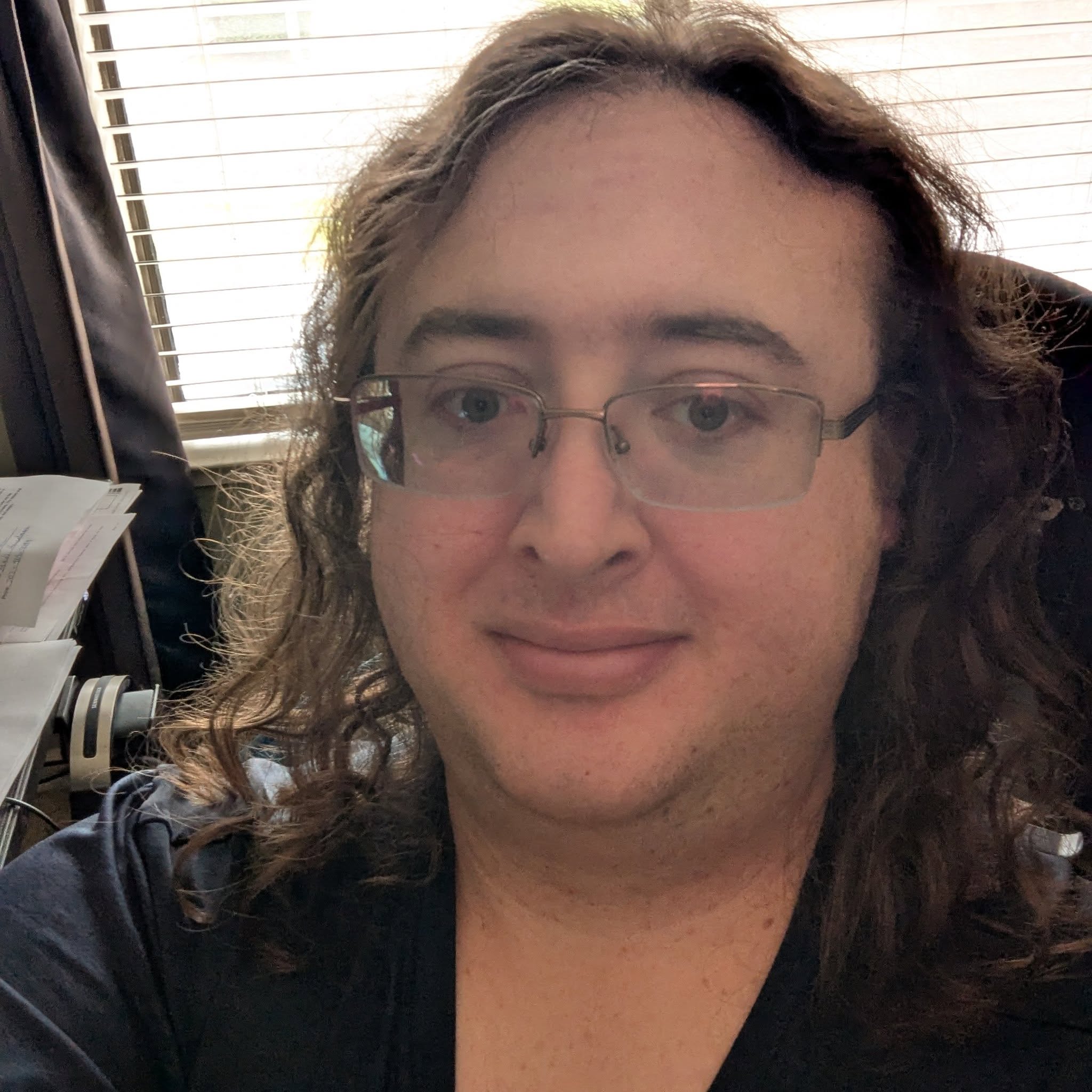
Madison Hanselman
As a trans woman and owner of North Bay Electrology in Petaluma, I bring a deep personal empathy and love for technical systems to my practice. My own transition fuels my passion for permanent hair removal, making my clinic a proud partner and safe haven for the LGBTQ+ community. Balancing rigorous analytics with heartfelt care, I approach electrology as both a precise science and a life-changing path to self-actualization.