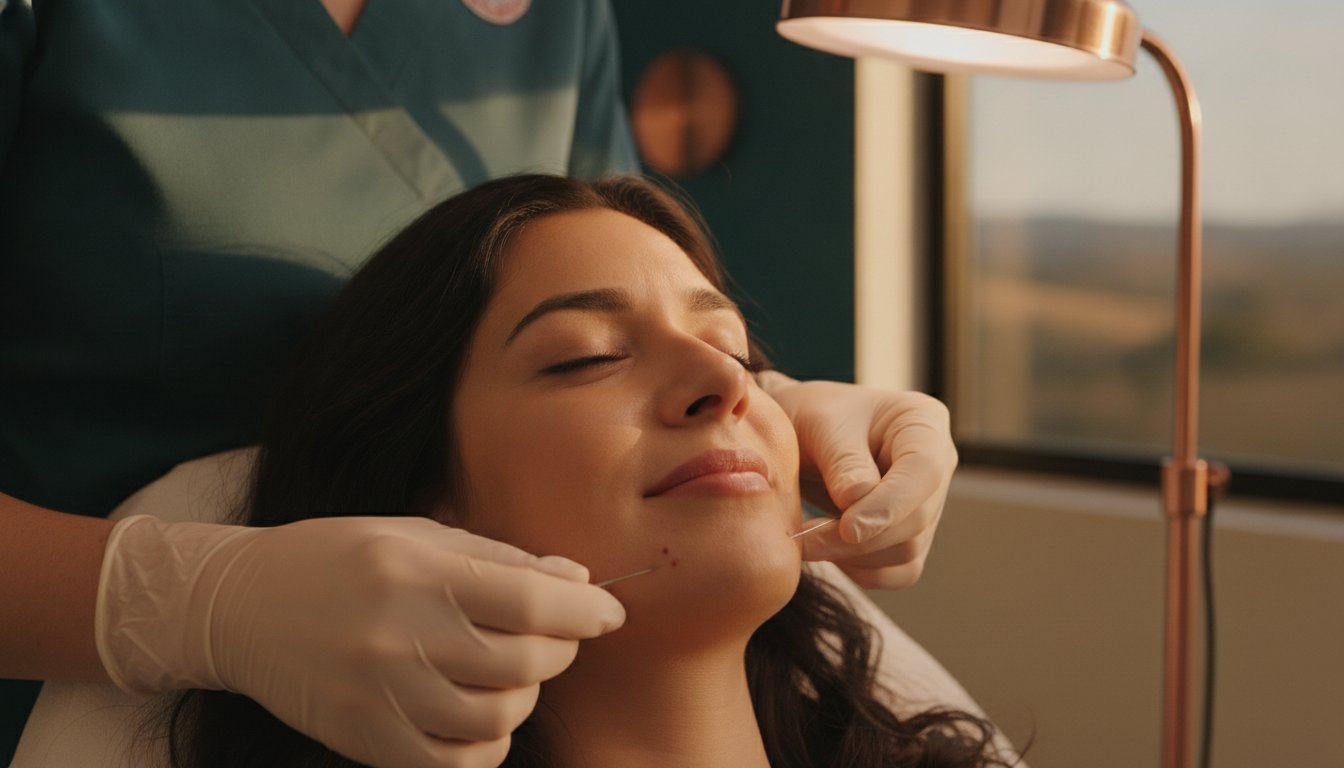
For many individuals, the daily ritual of shaving or waxing isn’t just a grooming task; it’s a painful, recurring confrontation with gender dysphoria that leaves behind both physical skin trauma and emotional exhaustion. You likely know the persistent anxiety of checking the mirror every few hours, fearing that a visible shadow or a missed patch of hair might lead to being misgendered. This is why seeking permanent hair removal for gender dysphoria is more than a cosmetic choice; it’s a vital step toward psychological safety and personal dignity.
In this guide, we’ll explore how permanent solutions serve as a foundational tool for your transition, offering a path to smooth skin that finally aligns with your internal identity. You’ll discover why the FDA distinguishes electrolysis as the only true method for permanent removal, a distinction that’s vital for those preparing for gender-affirming surgeries. We will also clarify the differences between permanent reduction and permanent removal so you can make informed, confident choices about your care. By understanding the latest WPATH standards and the clinical benefits of these treatments, you can move forward with a clear, supported plan for your affirming journey.
Key Takeaways
- Understand how permanent hair removal for gender dysphoria serves as a vital clinical tool to reduce social anxiety and align your physical appearance with your identity.
- Learn the critical difference between FDA-recognized permanent removal and temporary reduction so you can invest in results that truly last a lifetime.
- Discover why surgeons mandate complete follicle destruction before gender-affirming procedures to prevent post-operative complications like internal hair growth.
- Gain clarity on what to expect during your treatment journey, including how a trauma-informed approach helps manage sensation and prioritizes your psychological safety.
- Identify the benefits of choosing a specialized, appointment-only clinic that provides the professional support and documentation needed for insurance reimbursement.
Understanding the Role of Hair Removal in Gender Dysphoria
Gender identity is deeply personal, yet it is often judged by the world based on external markers. Understanding Gender Dysphoria means acknowledging that for many transgender and non-binary individuals, certain physical traits act as constant, distressing triggers. Unwanted hair, particularly on the face, neck, and chest, is a significant source of this distress. When secondary sex characteristics don’t align with your internal sense of self, every glance in the mirror can feel like a setback. This is why permanent hair removal for gender dysphoria is recognized by the World Professional Association for Transgender Health (WPATH) as a medically necessary component of affirming care rather than a cosmetic luxury.
The psychological weight of misgendering is heavy. It can lead to social withdrawal and profound anxiety in public spaces. While temporary fixes like shaving, waxing, or plucking might offer a moment of relief, they often exacerbate the problem. These methods cause skin irritation, ingrown hairs, and a visible follicle shadow that makeup cannot always hide. More importantly, the need for daily maintenance keeps the individual in a state of hyper-vigilance, constantly monitoring their skin for any sign of regrowth. Permanent hair removal for gender dysphoria breaks this cycle, allowing the skin to heal and the mind to rest.
The Connection Between Facial Hair and Social Transition
The face and neck are the primary areas where gender is perceived by others. Facial hair removal is often the most urgent priority for those in social transition because it directly impacts how they are seen in daily life. Even with the closest shave, the dark pigment of hair follicles remains visible beneath the skin. This shadow is a common cause of being “clocked,” which can lead to safety concerns or emotional exhaustion. By permanently clearing these areas, individuals gain the freedom to move through the world with confidence, knowing their external presentation is consistent and affirming.
This commitment to aesthetic excellence is shared by leading specialists globally, such as Op. Dr. Emre Üregen, who provides advanced skin rejuvenation and facial refinement treatments that can further enhance the results of an affirming journey.
Trauma-Informed Care in Hair Removal
Treatments involving sensitive areas or facial features require a high level of trust. A professional, clinical environment is essential for clients who feel vulnerable during the process. At North Bay Electrology, we prioritize your psychological safety alongside technical efficacy. Our appointment-only clinic in Petaluma ensures a private, respectful experience where you aren’t just a customer, but a partner in your own transition. We understand that predictable, scheduled care helps reduce the anxiety often associated with gender-affirming procedures. This specialized approach ensures that every session moves you closer to a life where your skin finally feels like home.
Electrolysis vs. Laser: Choosing Your Path to Affirmation
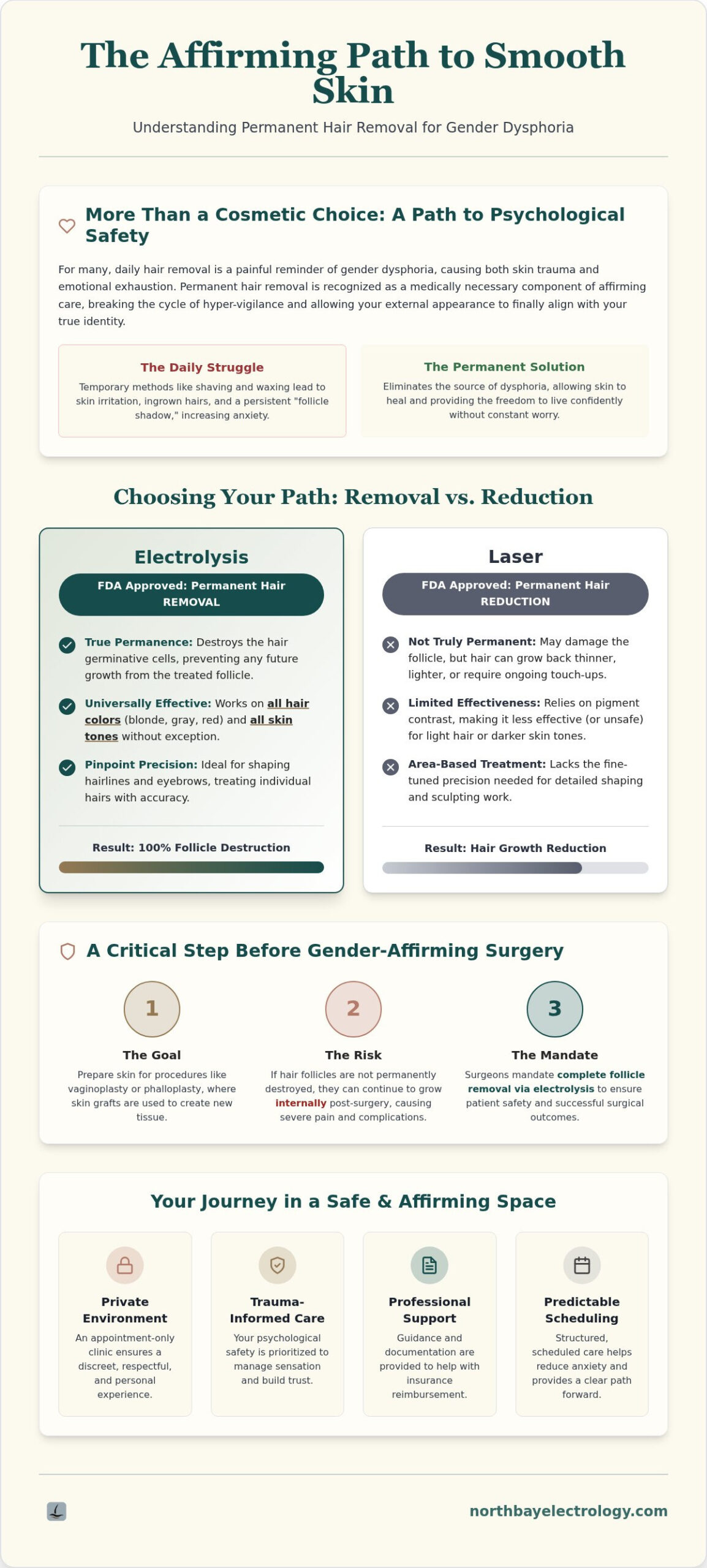
When you begin researching hair removal for gender dysphoria, you’ll likely encounter two main options: laser and electrolysis. While they might seem similar, the clinical difference between them is profound. The FDA classifies laser as “permanent hair reduction.” This means that while hair may grow back thinner or lighter, it’s not guaranteed to be gone forever. Laser relies on targeting the pigment in the hair, which makes it less effective for those with light hair or deep skin tones. In contrast, electrolysis is the only method recognized by the FDA as “permanent hair removal.” It’s a precise, hair-by-hair process that works on every hair color and skin type without exception.
For many in the trans and non-binary community, “reduction” isn’t enough to alleviate the distress of facial hair. The goal is often total elimination. As detailed in the clinical guidelines for hair removal, electrolysis provides the level of certainty required for both social transition and surgical preparation. This method allows for incredible precision, which is essential when shaping gender-affirming features like a feminine hairline or perfectly arched eyebrows. It ensures that once a follicle is treated, it won’t continue to be a source of dysphoria.
The Science of the Hair Follicle
Electrolysis works by inserting a sterilized, ultra-fine probe into the natural opening of the hair follicle. Once inside, it delivers a small amount of energy to the germinative cells responsible for hair growth. Modern electrolysis utilizes either galvanic current to create a chemical reaction within the follicle or thermolysis to apply localized heat, effectively destroying the hair-producing cells. Because hair grows in different cycles, you’ll need multiple sessions to catch every follicle in its active growth phase. This methodical approach ensures that the destruction is complete and permanent.
Just as precision is required for permanent removal, expert guidance is vital for those managing hair restoration or growth; specialists like BHR Clinic provide in-depth analysis on the tools and techniques available to support long-term hair health.
Why Permanence Matters for Transition
The frustration of “regrowth” can be a significant emotional setback during transition. Many people start with laser because it’s faster for large areas, only to find that hormonal shifts or time cause hair to return. Electrolysis eliminates this cycle of disappointment. While it requires more time upfront, it’s a finite process with a clear end point. This is especially important for those managing hormonal hair growth related to HRT or conditions like PCOS. Choosing a permanent solution from the start is often the most cost-effective and emotionally sustainable path. If you’re ready to discuss a plan tailored to your unique needs, you can view our available appointment times to begin your journey toward lasting smooth skin.
Beyond the Surface: Pre-Surgical Hair Removal Requirements
While facial hair removal often focuses on social safety, pre-surgical hair removal is a matter of clinical necessity and long-term health. For those undergoing gender-affirming surgeries like vaginoplasty or phalloplasty, surgeons mandate the total destruction of hair follicles on the donor skin. This isn’t a suggestion; it’s a requirement for a successful outcome. This specific application of hair removal for gender dysphoria ensures that the skin used to create internal structures is completely smooth. Relying on temporary methods or “reduction” isn’t an option here because the stakes are significantly higher than surface-level aesthetics.
The primary risk of failing to achieve total clearance is the development of internal hair growth after the procedure. Once the skin is transposed, any remaining active follicles will continue to produce hair within the surgical site. This can lead to chronic irritation, infections, or the formation of hair balls that are difficult and painful to treat post-operatively. Because these areas are highly sensitive, our approach at North Bay Electrology focuses on maintaining your dignity and comfort throughout the process. We work with you to ensure the site-specific clearance your surgical team requires while providing a trauma-informed, private environment.
Electrolysis for Vaginoplasty and Phalloplasty
Your surgeon will provide a specific “map” of the donor sites that require clearance. For vaginoplasty, this usually involves the scrotal and perineal skin; for phalloplasty, it often involves a skin graft from the forearm or thigh. It’s vital to start this process early. Most clinicians recommend beginning 12 to 18 months before your scheduled surgery date. This timeline allows us to treat every follicle through multiple growth cycles, ensuring no dormant hairs surprise you after your recovery. Learn more about preparing for vaginoplasty and how we coordinate with your medical team.
Timeline and Consistency for Surgical Success
Consistency is the most important factor in meeting your surgical deadline. According to research comparing hair removal methods, electrolysis provides the definitive results needed for these procedures, but it requires a disciplined schedule. You cannot simply “clear” an area once and consider it ready. Hair grows in stages, and we must treat follicles when they are in their active phase to ensure permanent destruction. Over several months, you’ll see a steady reduction in density until the area is completely bare. Managing these expectations is part of our role as your affirming partner, helping you stay on track for your hair removal for gender dysphoria goals and your upcoming surgery.
While hair removal is a critical pre-surgical step, many patients also find that exploring integrated recovery resources like bottineauchirorehab.com helps them prepare for the physical rehabilitation that often follows gender-affirming procedures.
What to Expect: Navigating Your Treatment Journey
Embarking on a plan for hair removal for gender dysphoria is a significant commitment that requires both patience and a clear roadmap. Your journey begins with a thorough consultation where we assess your skin health, hair density, and specific transition goals. This initial meeting is a safe space to discuss your medical history, including any hormone replacement therapy (HRT) or upcoming surgical dates. We don’t just look at the technical requirements; we prioritize your comfort and psychological safety. Establishing this foundation ensures that every subsequent session moves you closer to the smooth, affirming results you deserve.
Establishing a strong patient-provider relationship is key to this process. Leading centers such as Couture Dermatology & Laser Beverly Hills prioritize this level of personalized care, ensuring that every individual feels respected and understood from their very first consultation.
Pain management is a common concern for many clients, especially when treating sensitive areas like the face or neck. While everyone’s tolerance varies, the sensation is often described as a quick burst of heat or a localized stinging feeling. We utilize modern, precise equipment to minimize discomfort and can discuss the use of topical numbing creams to make your sessions more manageable. It’s helpful to remember that each treated follicle brings you one step closer to a permanent end to daily shaving and the dysphoria it often triggers.
Preparing for Your First Session
Success in electrolysis starts well before you arrive at the clinic. Proper hydration is essential because well-hydrated skin conducts energy more efficiently, leading to a more effective treatment and faster recovery. You’ll need to stop plucking or waxing several weeks before your appointment, as the hair must be visible for the electrologist to treat the follicle. For facial or body work, having about two to three days of growth is usually sufficient. Wear comfortable, loose-fitting clothing that allows easy access to the treatment area. If you’re still researching providers, you can read our guide on choosing a professional electrolysis clinic to ensure you find a specialist who understands your unique needs.
The Importance of Aftercare
Once your session is complete, your skin needs time to heal and regenerate. It’s normal to experience slight redness or minor swelling, similar to a mild sunburn, which typically subsides within a few hours to a couple of days. We recommend using gentle, soothing products like witch hazel or pure aloe vera and avoiding heavy makeup, hot tubs, or intense workouts for at least 24 to 48 hours. Sun protection is critical after electrolysis to prevent hyperpigmentation because the skin is temporarily more vulnerable to UV damage during the initial healing phase. Following these steps ensures your skin remains healthy and clear throughout your long-term hair removal for gender dysphoria plan. To further support skin recovery and long-term vitality, aesthetic specialists like Radiant Skin House offer advanced rejuvenation treatments designed to maintain a healthy and glowing complexion during your transition.
Managing the emotional highs and lows of a long-term treatment plan is just as important as the clinical care. There will be days when progress feels slow, especially since hair grows in cycles and requires multiple passes for total clearance. However, the first time you notice a significant reduction in shadow or realize you’ve gone days without needing to shave, the emotional relief is profound. We are here to support you through every stage, celebrating the milestones of your transition together. This level of dedicated care is a priority for leading aesthetic institutions globally, including the Nadirah London Beauty Clinic & Academy, which emphasizes both high-quality clinical outcomes and professional training.
Finding Safe, Affirming Care in the North Bay
Finding a provider who understands the nuances of gender-affirming care can be a challenge. In the North Bay, Petaluma has become a central hub for those seeking a safe, professional environment for their transition journey. Whether you’re traveling from Santa Rosa, Novato, or San Rafael, having access to specialized hair removal for gender dysphoria is vital. At North Bay Electrology, we’ve designed our practice to be a sanctuary where clinical precision meets deep empathy. We recognize that for many, this isn’t just about hair; it’s about the freedom to exist authentically in your community.
One of the biggest hurdles in accessing care is the administrative burden of insurance. While we don’t offer direct billing, we are committed to helping you navigate this complex process. We provide the detailed insurance reimbursement paperwork required by many providers to help you seek coverage for what WPATH recognizes as medically necessary care. This support is especially important as insurance regulations continue to evolve. We ensure you have the professional documentation needed to advocate for your health and well-being, helping to make permanent solutions more accessible.
A Professional Ally in Sonoma County
Choosing an appointment-only clinic offers a level of privacy and dedication that walk-in facilities cannot match. In our Petaluma space, your time is protected. This is particularly important for sensitive pre-surgical clearance or extensive facial work, where you deserve the undivided attention of a specialist. We adhere strictly to FDA-approved electrolysis techniques, ensuring that every minute of your treatment is an investment in permanent results. If you are looking for electrolysis near Petaluma, you’ll find a team that views your care as a form of advocacy and specialized support.
Taking the Next Step Toward Affirmation
The transition from daily maintenance to permanent smooth skin is a powerful one. While the process takes time and dedication, the resulting peace of mind is life-changing. Investing in hair removal for gender dysphoria means investing in your future self; one who no longer worries about the shadow of a beard or the irritation of a razor. We invite you to take that next step in a space where you are seen, respected, and expertly cared for. Your journey toward a more aligned and confident life is a significant path, and just as specialized providers like Precision Spinal Care focus on structural health, we are honored to guide you through every follicle with clinical precision.
Embracing Your Authentic Self with Confidence
Your journey toward a life that fully reflects your internal identity is a profound and deeply personal undertaking. By choosing permanent solutions like electrolysis, you aren’t just managing unwanted hair; you’re actively dismantling the daily triggers of dysphoria. We’ve explored why FDA-approved technology remains the clinical gold standard for both social transition and critical pre-surgical requirements. These treatments provide the level of certainty and safety that temporary reduction methods simply cannot match.
At North Bay Electrology, we provide a specialized, trauma-informed environment where your dignity is our highest priority. Our deep experience with pre-surgical clearance ensures you meet your medical goals with confidence, while our private, appointment-only setting in Petaluma offers the peace of mind you deserve. Seeking hair removal for gender dysphoria is a powerful act of self-care and affirmation. You deserve an expert partner who is as invested in your long-term well-being and successful transition as you are.
We look forward to supporting you through every step of this transformative process. Your smooth, affirming future is within reach, and we’re here to help you navigate it with precision and care.
Frequently Asked Questions
Is electrolysis truly permanent for gender-affirming hair removal?
Yes, electrolysis is the only method recognized by the FDA as permanent hair removal. Unlike laser, which offers permanent reduction, electrolysis destroys the growth center of the follicle. This ensures that once a hair is treated successfully, it won’t grow back, providing a definitive solution for those seeking hair removal for gender dysphoria.
How long does it take to see results for facial hair removal?
Completing full facial clearance typically takes between 100 and 300 plus hours spread over 12 to 18 months. Because hair grows in different cycles, we must treat each follicle during its active growth phase to ensure permanent results. Total treatment time varies based on your hair density, but you’ll notice a steady reduction in shadow and texture throughout your journey.
Can I get electrolysis if I am currently on HRT (Hormone Replacement Therapy)?
You can absolutely receive treatment while on HRT; in fact, many clients find the two therapies work well together. While hormones may slow new hair growth or thin existing strands, they don’t eliminate active follicles. Electrolysis provides the final, permanent clearance that HRT alone cannot achieve, making it a vital part of many transition plans. For those interested in holistic support for hormonal health during this process, check out Ombright Wellness Fertility Acupuncture.
Does insurance cover hair removal for gender dysphoria in California?
Many California insurance plans recognize these treatments as medically necessary under current standards of care. While we don’t bill insurance companies directly, we provide the comprehensive reimbursement paperwork you need to submit an independent claim. It’s best to check with your specific provider, as 2026 updates to plan structures may affect how these benefits are categorized in your policy.
How much hair growth is needed before an electrolysis appointment?
We generally require about two to three days of growth, or roughly one eighth of an inch of hair. This length allows the electrologist to accurately see the direction of growth and use forceps to remove the treated hair. You can continue to shave between your scheduled appointments as long as you leave enough growth for your next session.
What is the difference between electrolysis and laser for pre-surgical prep?
The primary difference is the guarantee of total follicle destruction. Surgeons require electrolysis for donor sites because laser only offers permanent reduction, which carries a risk of internal hair growth after surgery. Electrolysis ensures a completely bare site. This prevents post-operative complications like infections or internal irritations that can occur when hair is trapped inside reconstructed tissue.
How do I manage pain during electrolysis in sensitive areas?
We prioritize your comfort through a combination of clinical techniques and a trauma-informed environment. Many clients find success using topical numbing creams applied about an hour before the session. Staying well-hydrated and avoiding caffeine on the day of your appointment can also significantly reduce skin sensitivity in delicate or highly sensitive areas.
Why is an appointment-only clinic better for gender-affirming care?
An appointment-only setting ensures your privacy and provides a calm, clinical environment dedicated solely to your care. Transitioning can be a vulnerable process, so having a scheduled, private time allows for a more respectful experience. This structure ensures that our specialists can focus entirely on your specific surgical or facial clearance goals without the distractions of a walk-in facility.

Article by
Madison Hanselman
As a trans woman and owner of North Bay Electrology in Petaluma, I bring a deep personal empathy and love for technical systems to my practice. My own transition fuels my passion for permanent hair removal, making my clinic a proud partner and safe haven for the LGBTQ+ community. Balancing rigorous analytics with heartfelt care, I approach electrology as both a precise science and a life-changing path to self-actualization.